Key points
- Use BE FAST to spot a stroke: Balance, Eyes, Face, Arm, Speech, Time.
- Heart attack pain is usually a heavy pressure in the chest lasting more than a few minutes, sometimes spreading to the arm, jaw or back, often with sweating or breathlessness.
- People with diabetes, older adults and women may have less typical symptoms.
- Call 108 and go straight to a hospital with emergency, ECG and CT scan facilities. Note the time symptoms started.
- Clot-dissolving treatment (thrombolysis) is time-limited and only for eligible patients. Every minute of delay reduces its benefit.
Recognising a stroke: BE FAST
| B · Balance | Sudden loss of balance, dizziness or difficulty walking |
|---|---|
| E · Eyes | Sudden loss of vision, or double vision |
| F · Face | One side of the face droops when the person smiles |
| A · Arm | One arm or leg is weak or numb, and drifts down |
| S · Speech | Slurred or strange speech, or difficulty understanding |
| T · Time | Call 108 now, and note the time the symptoms began |
Even if the symptoms disappear within minutes, get checked the same day. A “mini-stroke” (transient ischaemic attack, or TIA) can be a warning that a major stroke may follow.
Recognising a heart attack
- Chest pain, pressure, heaviness or tightness lasting more than a few minutes, or coming and going
- Pain spreading to the arm, jaw, neck, back or upper abdomen
- Sweating, breathlessness, nausea or light-headedness
People with diabetes, older people and women more often have “atypical” symptoms: breathlessness, unusual tiredness, discomfort in the upper abdomen that feels like acidity, or no pain at all. If you have diabetes, don’t assume that chest or upper-abdominal discomfort is just gas.
What to do
- Call 108 (or 112). Ambulance teams can begin care on the way.
- Go to the nearest hospital with an emergency department, ECG and CT scan facilities, not to a clinic or pharmacy.
- Note the exact time symptoms started, or when the person was last seen normal. This decides which treatments are possible.
- Take a list of current medicines, especially blood thinners.
- For a suspected heart attack, emergency staff may advise chewing an aspirin if you are not allergic. Don’t give aspirin for a suspected stroke until a scan has ruled out bleeding in the brain.
What not to do
- Don’t wait to see whether it settles, or try to sleep it off.
- Don’t give food, water or tablets by mouth to someone who may be having a stroke. Swallowing may be affected.
- Don’t lose time on home remedies, oil massage or pressure points.
- Don’t drive yourself to hospital if you have chest pain.
Why time matters: clot-dissolving treatment
Most strokes and heart attacks are caused by a clot blocking an artery. Thrombolysis is a medicine, given into a vein, that can dissolve the clot.
- Ischaemic stroke: it can be given to eligible patients within about 4.5 hours of the start of symptoms, after a CT scan has ruled out bleeding.
- Heart attack: it is used when angioplasty is not quickly available. It works best in the first few hours, and is generally given within 12 hours of symptom onset.
Not everyone can receive it. Doctors check eligibility carefully, including the timing, the scan or ECG, blood pressure and the risk of bleeding, according to hospital protocols. At Metro Hospital, Nagaon, Dr Afzal provides thrombolysis for eligible heart attack and stroke patients according to clinical indications and institutional protocols.
After the emergency
Recovery and prevention matter just as much. Controlling blood pressure, sugar and cholesterol, stopping smoking, taking medicines regularly and keeping follow-up appointments all reduce the chance of another event.
Act now, not later. If you suspect a stroke or heart attack, call 108 and go to the nearest emergency department immediately.
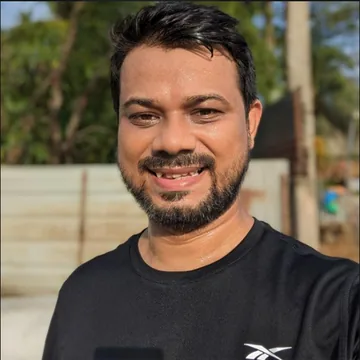
MBBS, MD (General Medicine). Consultant Physician, Internal Medicine, Metro Hospital, Nagaon. Assam Medical Council Reg. No. 23976.
This article is general information for patients and families. It does not replace a consultation with a doctor who knows your history. In an emergency, call 108.